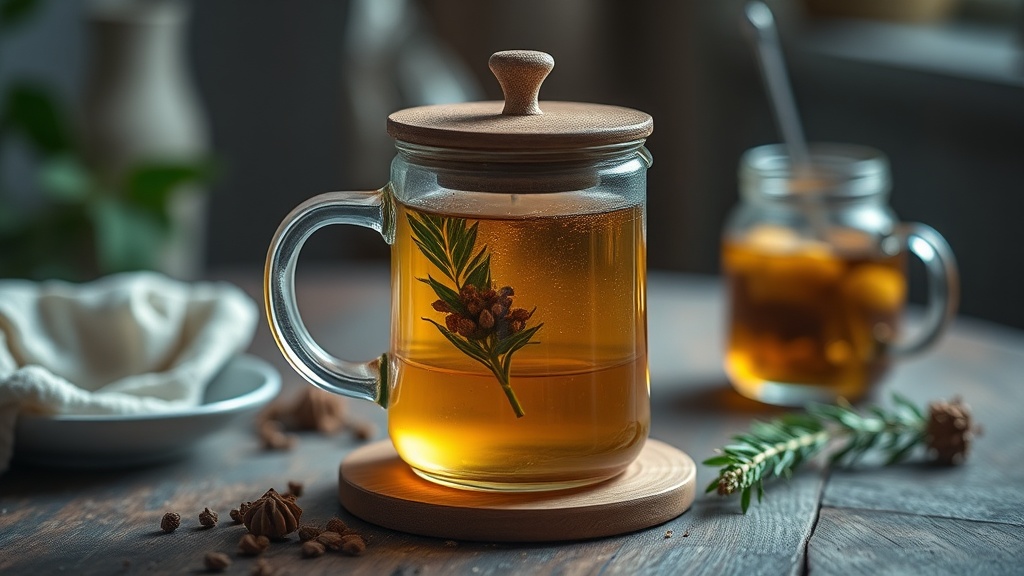
Brewing Your Own Calming Herbal Infusions at Home

You'll learn how to select high-quality herbs, master the technical process of steeping, and create specific blends for relaxation, sleep, and stress relief. Making your own infusions at home allows you to control the potency and purity of what you drink, avoiding the fillers often found in commercial tea bags.
What are the best herbs for relaxation?
The best herbs for relaxation include calming botanicals like Chamomile, Lemon Balm, and Lavender. These plants contain compounds that interact with the nervous system to promote a sense of calm. Chamomile is perhaps the most famous, often used to settle the stomach and quiet a racing mind. Lemon balm, a member of the mint family, is another excellent choice for reducing anxiety without causing excessive drowsiness.
If you want to experiment, I suggest starting with a base of Chamomile. It’s forgiving and has a pleasant, apple-like flavor. You can also look into Valerian root, though be warned—it has a very distinct, earthy scent that some find a bit much (it's definitely not for the faint of heart).
When choosing your ingredients, look for organic options. If you're buying dried herbs, ensure they are stored in airtight glass jars to keep the volatile oils intact. A high-quality source like Mountain Rose Herbs provides excellent organic botanicals that aren't dusty or stale.
Here is a quick breakdown of common relaxing herbs and their profiles:
| Herb | Flavor Profile | Primary Benefit |
|---|---|---|
| Chamomile | Floral, Apple-like | Sleep & Digestion |
| Lemon Balm | Bright, Citrusy | Mood & Anxiety |
| Lavender | Strongly Floral | Nervous System Calm |
| Peppermint | Cool, Menthol | Mental Clarity/Focus |
How do I make a proper herbal infusion?
To make a proper herbal infusion, you must use hot water and allow the herbs to steep for a specific amount of time—usually 5 to 15 minutes. Unlike true tea (which comes from the Camellia sinensis plant), herbal infusions—often called tisanes—require different temperatures and durations to extract their full properties.
The process starts with the water. You don't want boiling water for delicate flowers like Lavender; it can scorch them and make the drink taste bitter. Instead, aim for water that is just below a rolling boil.
The Step-by-Step Method:
- Measure your herbs: A standard ratio is one tablespoon of dried herbs per 8 ounces of water.
- Prepare the vessel: Use a ceramic teapot or a glass French press. A French press is actually quite handy for herbal tea because it keeps the botanicals contained.
- Add water: Pour the hot water over your herbs.
- Cover the vessel: This is the part most people skip. Covering the pot prevents the steam—and the medicinal essential oils—from escaping.
- Steep: Let the mixture sit for at least 10 minutes for a robust infusion.
- Strain: Pour the liquid through a fine mesh strainer into your cup.
I've found that if I'm feeling particularly stressed, I'll extend the steep time to 15 minutes. It makes the flavor deeper and the effect more pronounced. If you're looking for a way to ground yourself during a hectic morning, you might find that a more structured ritual helps. I've written about morning routines that actually work, and a dedicated tea ritual fits perfectly into that mindset.
Can I use fresh herbs instead of dried?
Yes, you can use fresh herbs, but you will need to increase the quantity used in your recipe. Because fresh plants contain a high percentage of water, they are less concentrated than their dried counterparts. A general rule of thumb is to use roughly three times the amount of fresh herbs compared to dried herbs.
Fresh herbs are wonderful if you have a garden or access to a local farmers market. For example, if you have a Lemon Balm plant in your yard, you can pluck a handful of leaves, bruise them slightly to release the oils, and drop them directly into your brewing vessel.
Using fresh ingredients can also change the texture of your infusion. Dried herbs often produce a more consistent, "clean" liquid, while fresh herbs can add a certain brightness and "green" quality to the flavor. It's a matter of preference, really.
That said, be careful with certain herbs. If you are using fresh plants from a garden, ensure they haven't been treated with pesticides or synthetic fertilizers. You can check the FDA website for general guidelines on food and herbal safety standards if you're ever unsure about sourcing.
What is the difference between an infusion and a decoction?
An infusion is made by pouring hot water over soft plant parts like leaves and flowers, while a decoction involves boiling hard plant parts like roots, bark, or seeds in water. If you are using Chamomile flowers, you are making an infusion. If you are using Ginger root or Cinnamon bark, you are making a decoction.
This distinction is vital. If you try to make a "tea" out of hard roots using only the infusion method, you'll end up with a very weak, watery liquid. The hard cellular structures of roots require the constant heat of a simmer to break down and release their properties.
When to use each method:
- Infusion: Best for leaves (Mint, Lemon Balm), flowers (Chamomile, Lavender), and delicate stems.
- Decoction: Best for roots (Ginger, Dandelion, Turmeric), bark (Cinnamon), and hard berries.
If you're making a blend that includes both, I suggest a two-step process. Simmer your roots and bark in water first, let it cool slightly, and then add your delicate flowers to that same water to steep. This ensures you get the best of both worlds without ruining the delicate herbs.
It's worth noting that many people find that adjusting their diet and beverage intake can help them feel more aligned with their environment. If you're interested in how food and drink affect your internal rhythm, look into seasonal eating patterns. It's all part of the same philosophy: listening to what your body needs in the moment.
Don't feel like you have to stick to a strict recipe. The beauty of herbalism is the experimentation. If your Lavender tea is too strong, add more Chamomile next time. If your Ginger decoction is too spicy, add a bit more honey or a slice of lemon. You're the one in control of your kitchen and your wellness.
One thing to remember: always listen to your body. If a certain herb makes you feel jittery or gives you an upset stomach, stop using it. Everyone's biochemistry is different, and what works for a friend might not work for you. Keep a small journal of your blends and how they make you feel—it's a great way to track your progress over time.
Steps
- 1
Select Your Botanicals
- 2
Measure Your Herbs
- 3
Temperature Control
- 4
The Steeping Process
- 5
Strain and Enjoy