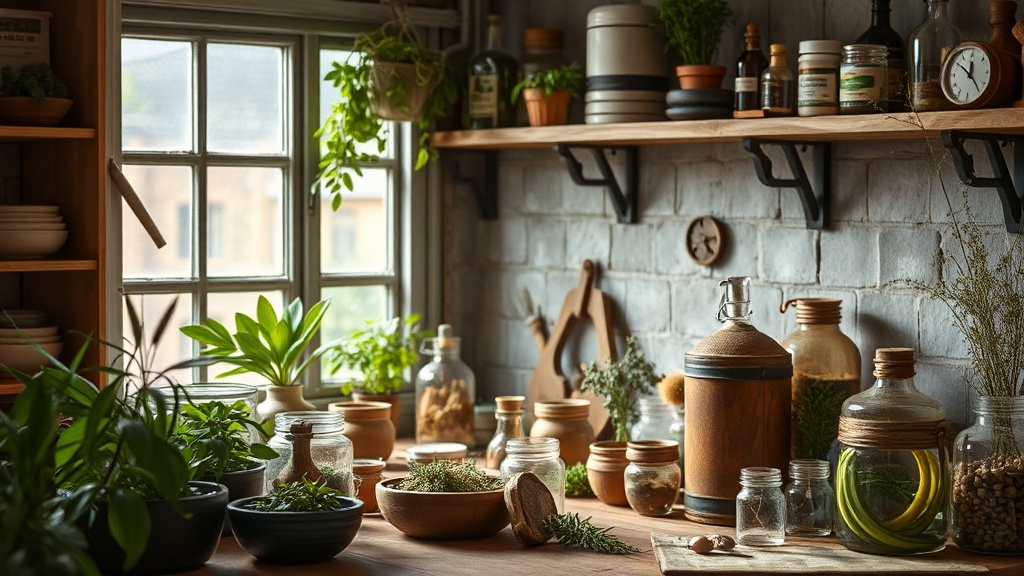
Building a Functional Home Herbal Apothecary

What goes into a working home herbal collection?
Have you ever reached for a remedy in the middle of the night, only to realize your shelf is empty or contains nothing but expired tea bags? Building a home apothecary isn't about collecting expensive jars to look pretty on a kitchen counter—it's about having the right plant-based tools on hand when your body needs them most. This guide explores how to curate a collection of dried herbs, tinctures, and topical salves that actually serve a purpose in your daily life.
A functional apothecary focuses on a few key categories: digestive support, nervous system calm, and skin repair. Instead of buying everything under the sun, you should aim for a small, high-quality selection of plants that address the most common physical disruptions. When you have these items ready, you spend less time searching for solutions and more time actually feeling better. It's about being proactive rather than reactive.
The foundation of any good collection is dried herbs. These are easier to store and more versatile for many preparations. You might want to keep dried peppermint for digestion, dried chamomile for relaxation, or dried calendula for skin issues. Having these in your pantry means you can brew a tea or create an infusion whenever the mood or a physical need strikes. It's a simple way to bring nature's logic into your routine without a massive investment.
Is it safe to use herbal remedies at home?
Before you start stocking your shelves, you must understand that "natural" doesn't mean "risk-free." This is where research becomes your best friend. Every plant has a specific profile and potential interactions with other substances. For instance, while peppermint is widely used for digestive comfort, it's often advised to avoid it if you're struggling with severe acid reflux. Always check the specific properties of a plant before you rely on it.
I always suggest checking reliable databases to see what the current consensus is on a specific herb. For example, the National Center for Complementary and Integrative Health provides a wealth of information regarding the safety and effectiveness of various botanicals. It's better to be informed now than to deal with an unexpected reaction later. If you are currently taking prescription medications, talk to a healthcare professional before adding even a simple herbal tea to your daily routine.
Storage is another area where people often fail. Herbs lose their potency when exposed to light, heat, and moisture. If you store your dried herbs in clear glass jars sitting in direct sunlight on a windowsill, you're essentially throwing away the beneficial properties. Use dark amber glass or opaque tins, and keep them in a cool, dry cupboard. This ensures that when you finally use that thyme or elderberry, it actually does what it's supposed to do.
Can I make my own herbal salves and tinctures?
Once you have your base herbs, the next step is deciding how you'll use them. Tinctures are a great way to have a concentrated dose of a plant's essence in a liquid form. Usually, this involves soaking an herb in high-proof alcohol or vegetable glycerin for several weeks. This method is excellent for long-term storage and ease of use. A small bottle of a well-made tincture can sit in your bag or desk drawer, ready whenever you need a quick bit of support.
Salves and oils, on the other hand, are your go-to for external issues. If you have a scratch, a dry patch of skin, or a sore muscle, a botanical oil or a thick salve can be incredibly helpful. You can start by infusing a carrier oil—like jojoba or almond oil—with dried herbs like calendula or plantain. Once the oil is infused, you can add beeswax to turn it into a solid salve. It's a simple process, but it requires patience to get the infusion right.
Here is a quick breakdown of common preparations you might want to include:
- Infusions: Best for tea or topical washes (e.g., chamomile tea).
- Tinctures: Concentrated liquid extracts for quick use (e.g., elderberry tincture).
- Salves: Solid topical applications for skin and muscle (e.g., calendula balm).
- Oil Infusions: Liquid oil used for massage or skin nourishment (e.g., infused jojoba).
Don't feel pressured to build an enormous collection right away. Start with three or four reliable plants that you know your body responds well to. As you become more comfortable with how they work and how to prepare them, you can expand. This isn't a hobby about collecting; it's a practice of being prepared for your own well-being. A small, well-curated shelf of useful items is far more valuable than a giant cabinet of things you don't know how to use.
If you're looking for more deep dives into plant-based support, the PubMed Central database is an excellent resource for reading actual studies on plant properties. It can help you move past the guesswork and into a more evidence-based way of looking at your home apothecary. Remember, the goal is to build a system that supports your life, not a collection that creates more work for you.