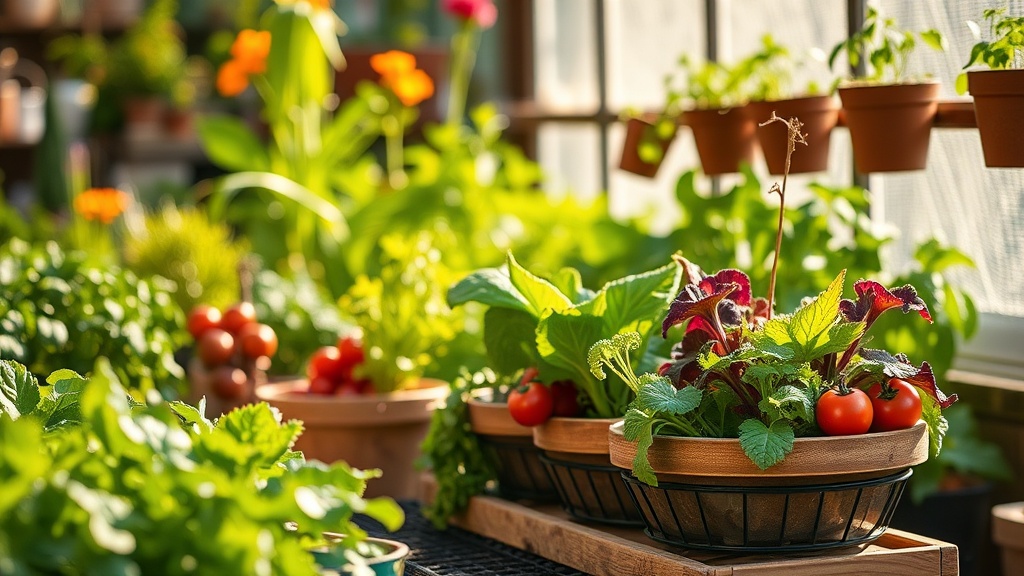
Creating a Seasonal Kitchen Garden for Year-Round Vitality

Nearly 30% of the world's nutritional density in common vegetables is lost during long-distance commercial transport. When you grow your own food, you aren't just getting fresh produce; you're getting the actual chemical compounds and vitamins that begin to degrade the moment a plant is harvested. This guide covers how to establish a seasonal kitchen garden that provides a steady stream of nutrient-dense plants throughout the year, ensuring your kitchen remains a source of direct, unadulterated nourishment.
A kitchen garden—or potager—is more than just a collection of vegetables. It is a living, breathing system designed to support your body's changing needs. Instead of relying on a single harvest in late summer, a well-planned garden uses succession planting and varied microclimates to keep your pantry stocked. Whether you have a sprawling backyard in Asheville or a few containers on a balcony, the principles of seasonal rhythm remain the same.
How can I grow food that follows my body's natural cycles?
The human body isn't static; our nutritional requirements shift as the temperature drops or as we move from high-activity summer months into the slower pace of winter. Your garden should reflect this. In the spring, focus on greens that support detoxification and renewal. Think of things like arugula, spinach, and radishes. These plants thrive in the cool, damp air of early spring and provide much-needed iron and vitamin K as the seasons turn.
As the heat of summer arrives, your garden needs to pivot toward hydration-heavy crops. This is the time for cucumbers, zucchini, and leafy herbs like basil. These plants help keep your internal temperature regulated and provide the water content your cells crave during intense heat. By the time autumn rolls around, your focus shifts again—this time toward starchy, grounding vegetables like carrots, beets, and sweet potatoes. These crops provide the complex carbohydrates and slow-burning energy required to prepare the body for the colder months ahead.
"Eating with the seasons is a way to align your internal biology with the rhythms of the Earth." — Traditional Agronomy Principles
To manage this, you'll need to look at your garden in three distinct phases: the waking phase (Spring), the thriving phase (Summer), and the grounding phase (Autumn/Winter). Each phase requires different soil preparations and different plant selections to ensure you aren't left with an empty garden bed when the weather shifts.
What are the best herbs for a functional kitchen garden?
Herbs are the backbone of a productive kitchen garden because they offer more than just flavor; they offer specific botanical benefits. A functional herb garden should include both culinary staples and medicinal varieties. For example, rosemary is incredibly hardy and can withstand much more stress than more delicate herbs like cilantro. It's a great plant to keep in a sunny, well-drained corner.
- Mint: Grows aggressively and is great for digestive support, but keep it in a pot to prevent it from taking over your entire garden.
- Thyme: A low-growing, tough plant that serves as a great ground cover and a reliable culinary staple.
- Sage: Excellent for the autumn months, providing a sense of warmth and support for the respiratory system.
- Parsley: A heavy feeder that provides a massive boost of vitamin C and minerals during the spring and summer.
When selecting your herbs, don't just look at the labels. Look at the growth habits. A successful garden relies on a mix of perennials (plants that come back every year) and annuals (plants you plant each season). This ensures that even if a frost hits, you have a foundation of permanent plants to rely on.
How do I maintain soil health without synthetic additives?
The secret to a high-yield kitchen garden isn't a chemical fertilizer; it's the life within the soil. If you want to grow food that is truly nutrient-dense, you must focus on the microbial life in your garden beds. This is where compost becomes your most valuable tool. Instead of buying synthetic nitrogen-rich products, create a cycle of returning organic matter back to the earth.
Compost provides a slow-release source of nutrients and helps improve the structure of your soil. It allows the ground to hold moisture better in the summer and provides drainage in the rainy spring. For more technical data on soil composition and organic matter, you can review the guidelines provided by the Natural Resources Conservation Service, which details how healthy soil supports plant life without heavy chemical intervention.
You can also practice "green manuring," which involves planting specific crops like clover or legumes to naturally fix nitrogen in the soil. This is a way to feed the earth while you wait for the next planting season. It's a circular way of thinking that treats the garden as a living organism rather than a production factory.
A common mistake is over-fertilizing. When you give plants too much "quick-fix" nitrogen, you often get a lot of leafy growth but very little actual nutritional density or flavor. A slow, steady approach through organic matter results in plants that are more resilient to pests and more nutrient-rich for your kitchen.
As you build your garden, keep a journal of what grows well in your specific microclimate. Every yard has its own personality. A shady corner might be perfect for kale and mint, while a sunny patch is destined for tomatoes and peppers. Tracking these patterns is the only way to truly master the rhythm of your own land.