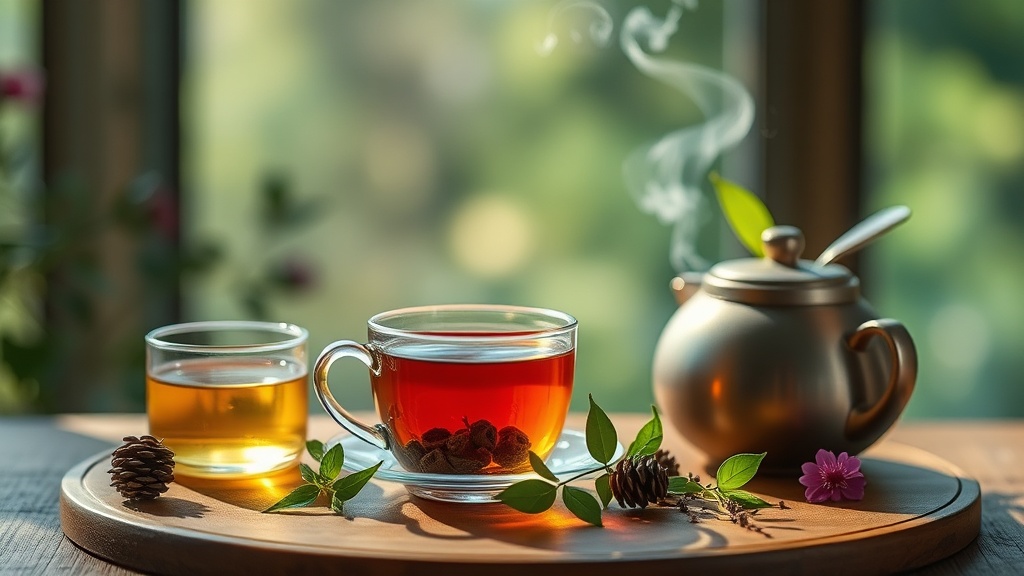
How to Build a Natural Morning Wellness Ritual with Herbal Teas

Building a natural morning wellness ritual with herbal teas transforms scattered, rushed mornings into grounded, intentional starts. This guide breaks down exactly how to craft a tea-based routine that supports digestion, mental clarity, and steady energy—without caffeine dependency or expensive supplements. You'll learn which herbs work best for specific goals, how to sequence your ritual for maximum benefit, and where to source quality ingredients that actually deliver results.
What Are the Best Herbal Teas for Morning Wellness?
Peppermint, ginger, and dandelion root top the list for morning wellness rituals. These herbs support digestion, reduce bloating, and provide gentle stimulation without the caffeine crash associated with coffee.
Here's the thing: not all herbal teas serve the same purpose. Some herbs energize. Others calm. Some target specific systems—like your liver or adrenals—while others offer general nourishment. Understanding these differences matters more than chasing trendy blends.
Peppermint tea wakes up the digestive system. It's particularly effective for people who experience morning nausea or sluggish gut motility. The menthol in peppermint relaxes smooth muscle tissue in the gastrointestinal tract—meaning less cramping and more regular elimination. Traditional Medicinals makes a reliable organic peppermint that's widely available at Whole Foods and independent co-ops.
Ginger tea brings heat and circulation. For those dealing with cold hands, slow metabolism, or inflammatory conditions, ginger root (Zingiber officinale) stimulates blood flow and supports immune function. Fresh ginger sliced into hot water works beautifully—but Gaia Herbs offers a concentrated liquid extract if you're short on time.
Dandelion root supports liver function after overnight detoxification. While you sleep, your liver processes hormones, metabolic waste, and environmental toxins. Dandelion root tea (Taraxacum officinale) contains bitter compounds that stimulate bile production—helping your body complete this cleanup process. Traditional Medicinals' EveryDay Detox blend combines dandelion with fennel and licorice for a smoother flavor profile.
Worth noting: caffeine-free doesn't mean inactive. These herbs have measurable physiological effects. Start with one cup and observe how your body responds before increasing quantity or combining multiple varieties.
Herbal Tea Comparison: Morning Benefits
| Herb | Primary Benefit | Best For | Flavor Profile |
|---|---|---|---|
| Peppermint | Digestive support | Nausea, bloating, IBS | Cool, refreshing, minty |
| Ginger | Circulation, warmth | Cold extremities, inflammation | Spicy, pungent, warming |
| Dandelion Root | Liver support | Slow detox, skin issues | Earthy, bitter, coffee-like |
| Chamomile | Nervous system calming | Anxiety, stress, poor sleep | Floral, honey-like, mild |
| Rooibos | Antioxidant support | General wellness, allergies | Sweet, nutty, vanilla notes |
| Nettle Leaf | Mineral replenishment | Fatigue, adrenal support | Grassy, slightly earthy |
The catch? Quality varies enormously. Conventionally grown herbs may contain pesticide residues—exactly what you're trying to eliminate from your morning routine. Look for USDA Organic certification or sourcing from companies like Mountain Rose Herbs that prioritize sustainable cultivation and third-party testing.
How Long Should a Morning Tea Ritual Take?
A complete morning tea ritual takes 20 to 45 minutes depending on complexity and personal schedule constraints. The key isn't duration—it's consistency and presence during whatever time you allocate.
Here's a realistic breakdown:
- Water preparation (3-5 minutes) — Fill your kettle, set it to boil. Use filtered water if your tap supply contains chlorine or heavy metals—both affect taste and herb extraction.
- Herb selection and measurement (2 minutes) — Choose based on how you feel. Stiff and achy? Reach for ginger. Foggy-headed? Peppermint or rosemary. This decision-making process itself creates body awareness—something most people skip entirely.
- Steeping time (5-15 minutes) — This is where the ritual earns its name. Don't multitask. Sit. Breathe. Watch the steam rise. Roots and barks need longer steeping (10-15 minutes) than leaves and flowers (5-7 minutes).
- Consumption (10-20 minutes) — Drink slowly. Herbal teas work best when consumed warm, not scalding hot. Use this window for journaling, gentle stretching, or simply sitting by a window.
That said, don't abandon the practice if you only have 10 minutes. A shortened ritual beats no ritual. The physiological benefits of the herbs still occur—even without the contemplative wrapping.
"The ritual is not about the tea. The tea is an anchor for attention—a way to bring consciousness into the body before the day's demands pull it elsewhere." — Adapted from herbalist traditions
What Equipment Do You Actually Need?
Minimal equipment serves most people perfectly: a quality kettle, a ceramic or glass vessel, and a fine mesh strainer or reusable tea bag. Fancy gadgets don't improve outcomes—consistent practice does.
Let's dismantle some marketing myths:
Electric kettles with temperature control — Nice to have, not necessary. Most herbal teas extract perfectly well at boiling (212°F/100°C). Delicate green teas benefit from lower temperatures—but that's a different category entirely. The Bonavita variable temperature kettle works well if you brew both true teas and herbals.
Glass teapots with infusers — Useful for multiple servings. The Bodum Assam press (typically $20-30) uses a fine mesh plunger that separates herbs cleanly. For single cups, a simple ceramic mug with an infuser basket (Finum makes excellent ones) requires less cleanup.
Pre-made tea bags vs. loose herbs — Loose herbs generally offer better quality and value—but require storage containers and measurement. Tea bags win on convenience. A middle path: buy loose herbs in bulk, then fill reusable cotton bags (Cottonique and other natural brands sell these) for daily use.
Storage matters more than brewing vessel. Herbs degrade with light, heat, and air exposure. Amber glass jars with tight seals preserve potency far better than the original packaging. Keep your collection in a cool, dark cabinet—not the countertop where sunlight degrades volatile oils.
How to Build Your Personal Sequence
Effective morning rituals follow a logical sequence: hydration first, then gentle stimulation, then nourishment. This progression respects your body's natural cortisol awakening response and digestive readiness.
Step 1: Warm water (before any tea)
Start with plain warm water. After 8+ hours without fluids, your cells need hydration before herbal compounds. Add a squeeze of lemon if desired—this primes stomach acid production and supports the liver's morning detoxification workload.
Step 2: Your primary wellness tea
Choose based on your dominant need:
- Digestive priority — Start with peppermint or fennel seed tea. Wait 20-30 minutes before eating.
- Energy priority — Ginger or cinnamon tea provides warming stimulation without caffeine.
- Stress priority — Chamomile or lemon balm (Melissa officinalis) calms an overactive nervous system.
- Detox priority — Dandelion root or burdock root support liver and kidney function.
Step 3: Secondary support (optional)
If time allows, follow with a nutritive tea like nettle or red clover. These "tonic" herbs provide minerals and gentle adrenal support—different from the more targeted first cup. Nettle specifically contains iron, calcium, and magnesium in bioavailable forms.
Sample Weekly Rotation
Relying on the same herb daily creates tolerance and diminishes effects. Rotate through 3-4 primary herbs across the week:
| Day | Primary Tea | Secondary Tea (if time) | Focus |
|---|---|---|---|
| Monday | Dandelion Root | Nettle Leaf | Detox + mineral support |
| Tuesday | Peppermint | Rooibos | Digestion + antioxidants |
| Wednesday | Ginger | Chamomile | Circulation + calm |
| Thursday | Dandelion Root | Nettle Leaf | Detox + mineral support |
| Friday | Peppermint | Rooibos | Digestion + antioxidants |
| Saturday | Ginger | Lemon Balm | Circulation + nervous system |
| Sunday | Chamomile | Nettle Leaf | Rest + deep nourishment |
This rotation prevents habituation while addressing multiple body systems across the week. Adjust based on what you observe—herbalism remains fundamentally empirical.
Common Mistakes That Sabotage Results
People abandon herbal rituals for predictable reasons. Understanding these pitfalls prevents discouragement.
Mistake #1: Expecting immediate, dramatic effects
Herbs work subtly over time. You might notice improved digestion within days—but deeper shifts (better sleep, stable energy, clearer skin) emerge across weeks or months. Document changes in a simple journal rather than relying on memory.
Mistake #2: Using poor quality herbs
Grocery store tea bags often contain dust-grade herb material with minimal active compounds. The color tells you plenty: vibrant green peppermint, rich red rooibos, deep brown dandelion root. Faded, brownish plant material suggests age and degradation.
Mistake #3: Drinking tea while distracted
The physiological benefits occur regardless—but the psychological benefits (stress reduction, present-moment awareness) require attention. If you're checking email while sipping, you've created a beverage, not a ritual.
Mistake #4: Ignoring contraindications
Even "gentle" herbs interact with medications and conditions. Licorice root raises blood pressure. Chamomile affects blood clotting. St. John's Wort (sometimes included in morning blends) interacts with numerous pharmaceuticals. Research thoroughly or consult a qualified herbalist—particularly if pregnant, nursing, or taking prescription medications.
Asheville's herbal community offers resources for those wanting deeper guidance. The Asheville Botanical Gardens hosts workshops on local plant medicine, and several clinical herbalists in the area provide personalized consultations beyond what generic blog advice can offer.
Start tomorrow. Choose one herb. Boil water. Sit quietly. Notice what happens in your body. That's the ritual—and it's enough.
Steps
- 1
Choose Your Herbal Tea Based on Your Wellness Goals
- 2
Prepare Your Space and Gather Natural Ingredients
- 3
Brew Mindfully and Embrace the Present Moment