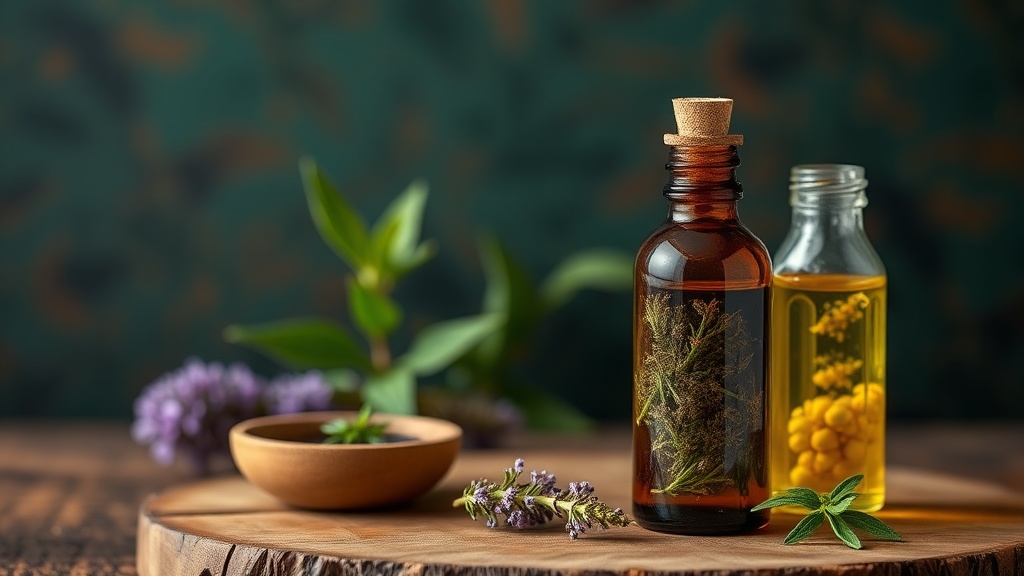
How to Craft Herbal-Infused Oils for Natural Skin Nourishment

When Your Skin Begins to Rebels Against Commercial Products
You notice it one morning—the mirror reflecting patches of irritation, that tight feeling after washing your face, or the stubborn dryness that no amount of expensive serum seems to fix. Somewhere between the long ingredient lists you cannot pronounce and the third broken pump on a plastic bottle, you start wondering what skincare looked like before laboratories replaced gardens. This is not about rejecting modern science or romanticizing the past—it is about reclaiming a straightforward practice that has soothed skin for centuries: infusing carrier oils with healing herbs at home.
Herbal-infused oils form the backbone of traditional skin care across cultures. From calendula preparations in European folk medicine to sesame-based Ayurvedic blends, people have long understood that oil acts as a solvent—drawing out the beneficial compounds from plants and creating a concentrated medium that absorbs readily into skin. Unlike essential oils (which require distillation and careful dilution), infused oils use the whole plant and remain gentle enough for direct application. The process demands patience, not expertise. You will need dried herbs, a quality carrier oil, clean glass jars, and about four to six weeks of waiting—or gentle heat if you prefer a faster method.
Which Herbs Work Best for Different Skin Concerns?
Selecting your botanicals depends entirely on what your skin needs rather than following any universal prescription. Calendula (Calendula officinalis) stands out as the workhorse of skin-healing herbs—its vibrant orange petals contain flavonoids and triterpenoids that support tissue repair and calm inflammation. People with sensitive or reactive skin often notice reduced redness after consistent use of calendula-infused oil.
For dry, mature skin that feels papery or depleted, consider rosehips or dried rose petals. Rose carries astringent properties that tone without drying, while rosehips deliver vitamin C and essential fatty acids that support collagen production. Chamomile—beyond its reputation as a tea—offers bisabolol, a compound that soothes irritated skin and may help with conditions like mild dermatitis. Those dealing with occasional blemishes might reach for thyme or rosemary, both of which possess natural antimicrobial properties that can help keep skin clear without the harsh stripping effect of alcohol-based toners.
Comfrey leaf deserves mention, though with an important caveat. Its allantoin content speeds cell proliferation remarkably well—historically earning it names like "knitbone"—but contains pyrrolizidine alkaloids that remain controversial for internal use. External application of comfrey-infused oil on unbroken skin is generally considered safe, though pregnant women and those with liver conditions should consult a healthcare provider first. Arnica offers another specialized option—excellent for bruising, muscle soreness, and swelling, but never on broken skin and never in high concentrations.
What Is the Best Method for Infusing Oils at Home?
You have two primary approaches: the slow solar infusion and the quicker heat-assisted method. Neither produces objectively "better" results—the choice depends on your timeline, climate, and comfort level with leaving botanical projects to sit undisturbed.
For solar infusion, fill a clean glass jar about halfway with dried herbs (never fresh—they contain water that promotes mold). Cover completely with your chosen carrier oil, leaving about an inch of headspace. Cap tightly and place in a sunny windowsill, shaking gently every few days. After four to six weeks, strain through cheesecloth or a fine mesh sieve, pressing firmly to extract every drop. Store the finished oil in amber glass bottles away from direct light; properly prepared infusions typically remain stable for nine months to a year.
The heat method suits those who need their oil sooner or live in climates without reliable sunlight. Use a double boiler or a slow cooker on the lowest setting. Combine herbs and oil in a heat-safe container, ensuring the herbs stay submerged. Heat gently—never allowing the oil to smoke or sizzle—for four to eight hours. Some practitioners extend this to two days, turning the heat off overnight and resuming in the morning. The warmth accelerates extraction, though some aromatics may dissipate with prolonged heating. Strain and store as with the solar method.
Your carrier oil selection matters as much as your herbs. Jojoba oil technically qualifies as a liquid wax, making it incredibly stable and suitable for facial use since it mimics human sebum. Sweet almond oil offers an affordable, lightweight option for body applications. Olive oil works in a pinch and carries its own antioxidant benefits, though its strong scent and heavier texture may not suit everyone. For facial serums, consider fractionated coconut oil or grapeseed oil—these absorb quickly without leaving a greasy residue. Research published in the International Journal of Molecular Sciences confirms that various carrier oils possess distinct fatty acid profiles affecting skin barrier function, so match your base to your skin type.
How Should You Apply Herbal Oils for Maximum Benefit?
Application technique significantly affects absorption and efficacy. Unlike water-based lotions that evaporate quickly, oils require different handling—particularly on the face. The best approach involves applying to damp skin immediately after bathing or washing, when pores are open and moisture remains on the surface. The oil seals in that hydration rather than providing it directly, which explains why oil applied to bone-dry skin can feel like it sits on top rather than sinking in.
For facial use, dispense three to five drops into your palm, rub your hands together to warm the oil, then press gently into your skin rather than rubbing aggressively. Wait five minutes before applying sunscreen or makeup. For body application, you can be more generous—massaging into limbs, torso, and feet. Some people add a cup of herbal-infused oil to bathwater for an all-over moisturizing soak, though this does make the tub slippery and requires caution.
These oils also serve as the foundation for other preparations. You can incorporate them into homemade salves by melting in beeswax (typically one ounce of wax per eight ounces of oil creates a firm salve). Add them to sugar or salt scrubs for exfoliation that does not strip moisture. Some people blend their herbal oils with clay to create cleansing balms that remove makeup while depositing beneficial compounds. The versatility means one batch of infused oil can transform into an entire season's skin care routine.
Safety Considerations and Storage Tips
Even natural preparations require respect. Always perform a patch test on your inner forearm before widespread use—rub in a small amount, wait twenty-four hours, and check for reaction. Certain herbs, particularly those in the Asteraceae family like calendula and chamomile, trigger allergies in people sensitive to ragweed. Store infused oils in cool, dark places; if you detect rancidity (a sharp, crayon-like smell), discard immediately. Rancid oils oxidize and can actually damage skin rather than nourish it.
Label your creations with the date, herbs used, and carrier oil type. Over time, you will develop preferences—perhaps finding that chamomile infused in jojoba works beautifully for your face while rosemary in olive oil soothes your scalp. This is the point: skin care becomes personal again, responsive to your specific needs rather than dictated by marketing cycles.
The ritual itself carries value beyond the physical benefits. There is something grounding about tending a jar of herbs slowly releasing their properties into golden oil. It connects you to seasonal rhythms—you might make rose-infused oil in June when petals are abundant, or calendula in late summer when the flowers peak. Each batch varies slightly based on growing conditions, harvest time, and the particular batch of carrier oil. This variation feels honest in a way that factory-standardized products do not. Your skin recognizes authenticity. Research from the American Psychological Association supports what many intuitively understand: engagement with natural materials and processes reduces stress markers and improves overall wellbeing.