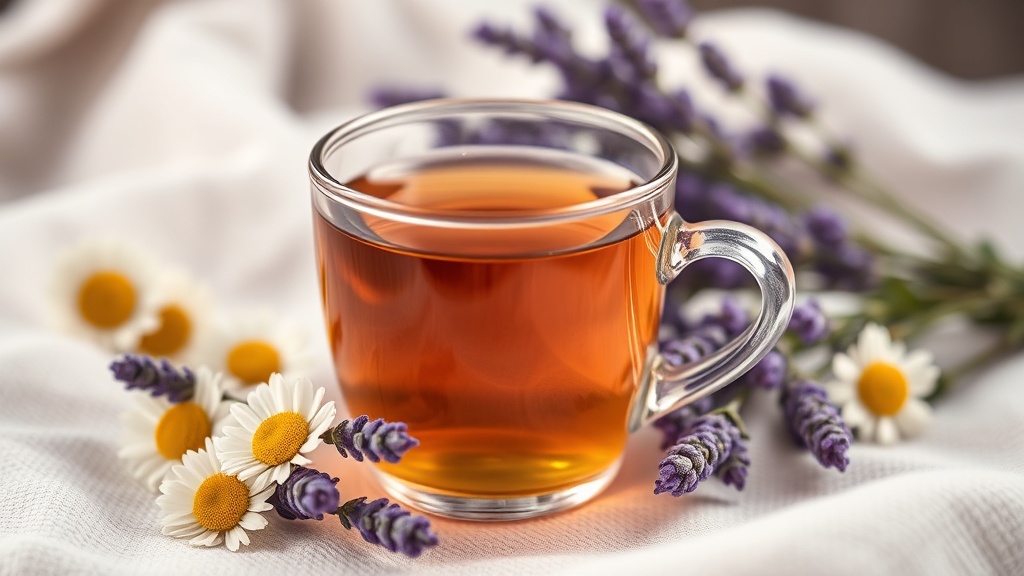
How to Make a Calming Chamomile Lavender Tea Blend for Better Sleep

This guide walks through creating a calming chamomile lavender tea blend from dried herbs, explains the science behind why these flowers help with sleep, and covers proper ratios, brewing techniques, and timing. Poor sleep affects everything from mood to immune function, and a simple evening ritual with the right herbal blend can make a noticeable difference without the grogginess that sometimes follows sleep aids.
What Makes Chamomile and Lavender Effective for Sleep?
Chamomile contains apigenin, an antioxidant that binds to specific receptors in the brain to promote drowsiness and reduce insomnia. Research from the National Center for Complementary and Integrative Health notes that chamomile has been used for centuries as a mild sedative, and modern studies back up its calming reputation. German chamomile (Matricaria recutita) is the variety most commonly used in teas, though Roman chamomile (Chamaemelum nobile) also works well and offers a slightly fruitier aroma that some drinkers prefer.
Apigenin doesn't knock you out like a pharmaceutical sleep aid. Instead, it quietly reduces neuronal activity in the areas of the brain responsible for keeping you alert — a gentler off-ramp from wakefulness. The effect is cumulative too; people who drink chamomile regularly often report deeper, more restorative sleep rather than just faster sleep onset.
Lavender operates through a different but complementary pathway. Its primary active compounds — linalool and linalyl acetate — interact with the nervous system to lower heart rate and blood pressure. That said, drinking lavender tea delivers these compounds systemically, while the aroma itself (even from a steaming cup) triggers relaxation through the olfactory system. It's a two-pronged approach — the body absorbs the compounds while the scent signals the brain to unwind.
Together, chamomile and lavender create a synergy. Chamomile gently nudges the brain toward sleep, while lavender calms the physical symptoms of stress. The combination isn't about overpowering the senses; it's about layering two mild, time-tested herbs into something that feels greater than the sum of its parts. Neither herb is habit-forming, and neither produces next-day fog — two reasons this blend has remained popular across generations.
How Much Chamomile and Lavender Should You Use in a Tea Blend?
A balanced starting ratio is two parts dried chamomile flowers to one part dried lavender buds, which yields a floral, slightly sweet cup without the soapy aftertaste that too much lavender can create. Here's the thing — personal taste matters, and some people prefer a 1:1 ratio for a stronger lavender presence that fills the room with fragrance.
| Ratio | Chamomile | Lavender | Flavor Profile | Best For |
|---|---|---|---|---|
| 2:1 | 2 teaspoons | 1 teaspoon | Mild, sweet, floral | Beginners, nightly use |
| 1:1 | 1.5 teaspoons | 1.5 teaspoons | Bold, herbaceous, aromatic | Lavender lovers, high stress |
| 3:1 | 3 teaspoons | 1 teaspoon | Very mild, honey-like | Sensitive palates, children |
For a single cup, 1 tablespoon of total dried herb per 8 ounces of water is standard. If you're blending a larger batch to store, mix 1 cup of dried chamomile flowers with 1/2 cup of dried lavender buds in an airtight glass jar. Keep it away from light and heat — a cupboard works fine, though a dark amber jar (like those from Frontier Co-op) extends freshness by several months.
Worth noting: quality matters. Grocery store chamomile in paper boxes often contains stems and dust that add bitterness without contributing the desired compounds. Look for whole flower heads from suppliers like Mountain Rose Herbs or Traditional Medicinals. The flowers should be intact, fragrant, and pale yellow-white. Lavender should be culinary grade — English lavender (Lavandula angustifolia) is the standard for tea, not the ornamental varieties grown for color alone. French lavender (Lavandula stoechas) can taste bitter and camphorous, so stick with the English variety for drinking.
What's the Best Way to Brew Chamomile Lavender Tea?
Heat water to 200°F (just below boiling) and steep the herb blend for 5 to 7 minutes in a covered vessel to preserve the volatile oils. Boiling water at 212°F won't ruin the tea, but it can scorch the delicate flowers and mute some of the subtle flavor notes that make this blend enjoyable.
Here's the process in detail:
- Bring fresh, filtered water to a near-boil. If you don't have a temperature-controlled kettle, let boiled water sit for 30 seconds before pouring.
- Place your herb blend in a tea infuser, a French press, or a simple mason jar. Glass and ceramic are better than metal for preserving flavor.
- Pour the hot water over the herbs and cover immediately. Those aromatic oils escape with the steam — trapping them improves both taste and effect.
- Steep for 5 minutes for a lighter cup, up to 7 for full extraction. Taste at 5 and decide; there's no single right answer.
- Strain and sip plain, or add a teaspoon of raw honey if desired. (Honey supports the soothing vibe — though it's entirely optional.)
The catch? Reusing the same herbs for a second cup usually produces a weak, flat brew that tastes like hot, vaguely floral water. These flowers give up their best compounds in the first steep. If you want another cup, start fresh — the difference is unmistakable.
For equipment, a simple ceramic teapot with an infuser basket works beautifully. The Bee House ceramic dripper — normally used for coffee — doubles as an excellent single-cup herb strainer. Avoid tiny tea balls; they don't give the dried flowers enough room to expand and release their oils fully.
When Should You Drink Chamomile Lavender Tea for Better Sleep?
Drink the tea 30 to 45 minutes before bedtime to allow the active compounds time to reach the bloodstream and begin their calming effect. This window aligns with the body's natural wind-down process — cortisol drops in the evening, and the tea nudges that transition along without forcing it.
That said, consistency beats timing. A nightly ritual — brewing the tea, sitting away from screens, sipping slowly — trains the brain to associate the flavor and warmth with sleep. The tea becomes a Pavlovian signal. Some people in Asheville's wellness community (where Leandro Russo is based) pair the ritual with 10 minutes of gentle stretching or journaling to create a full transition from daytime chaos to rest.
Avoid drinking large volumes right before lying down — a full bladder interrupts sleep more than the tea helps it. An 8-ounce cup is plenty. If you're particularly sensitive to fluids at night, scale back to 6 ounces and increase the herb concentration slightly. You don't want to trade insomnia for midnight bathroom trips.
Can You Drink Chamomile Lavender Tea Every Night?
Yes, most people can safely enjoy chamomile lavender tea daily, though moderation and awareness of individual sensitivities matter. The NCCIH reports that lavender is generally recognized as safe for culinary and tea use, and chamomile has a long history of daily consumption across cultures spanning Europe, Asia, and the Middle East.
However, a few groups should exercise caution. People with ragweed allergies sometimes react to chamomile — both plants belong to the Asteraceae family. Symptoms include itching, swelling, or mild respiratory discomfort. Pregnant women should consult a healthcare provider before drinking medicinal-strength amounts, as chamomile may have mild uterine effects. Those on blood thinners (like warfarin) should also check with a doctor, since chamomile contains natural blood-thinning compounds.
Lavender is gentler on the stomach but can cause headaches in rare cases when consumed in large amounts. Stick to the 2:1 or 1:1 ratios mentioned earlier, and you shouldn't encounter issues. If you notice any adverse reaction — even a mild one — stop use and consult a professional.
Comparing this blend to commercial options: Celestial Seasonings Sleepytime Tea is a solid shelf alternative, but it contains additional herbs like tilia flowers and valerian — which some find too sedating or earthy. Making your own blend gives you control over the ingredients, the strength, and the sourcing. No mystery "natural flavors" required.
The Sleep Foundation emphasizes that dietary choices in the evening significantly impact rest quality. Swapping late-night wine or chocolate for a warm cup of chamomile lavender tea removes stimulants (alcohol and caffeine) while actively supporting relaxation. It's a simple substitution with compounding benefits that build over time.
Start small. Blend a week's worth, brew intentionally, and pay attention to how sleep shifts over two weeks. The body responds to patterns — not single cups. Here's the thing: the best herbal tea is the one you'll actually drink, so adjust the ratios, find your ideal steep time, and make it yours. Sleep well.
Steps
- 1
Gather Your Ingredients and Tools
- 2
Measure and Mix the Herbal Blend
- 3
Steep and Enjoy Your Calming Tea