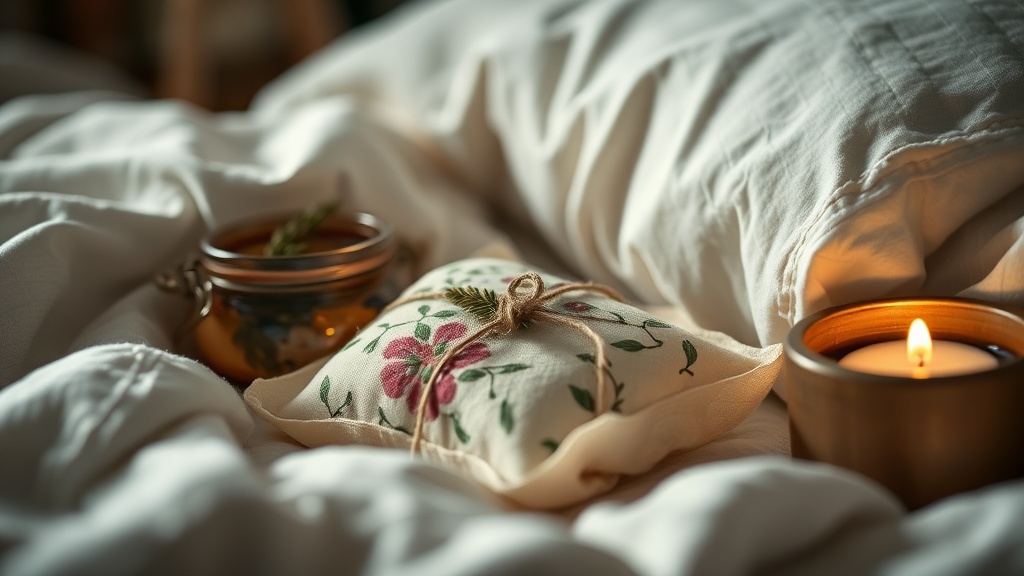
How to Make a Calming Herbal Sleep Sachet for Better Rest

This post covers exactly how to make a calming herbal sleep sachet from dried flowers and leaves—no sewing machine required. You'll learn which herbs promote deeper rest, where to source them, how to assemble the sachet, and where to place it for maximum effect. If restless nights have become routine and you'd rather skip over-the-counter sleep aids, a handmade sachet offers a simple, natural alternative that costs less than a latte.
What Herbs Work Best in a Sleep Sachet?
The best herbs for sleep sachets are dried lavender, chamomile, hops, rose petals, and mugwort. Each plant brings a distinct scent profile and relaxation property to the mix.
Lavender dominates most sleep sachet recipes—and for good reason. Studies from the National Center for Complementary and Integrative Health suggest that inhaling lavender aroma may improve sleep quality, especially in people with mild anxiety. That said, not all lavender is equal. French lavandin (Lavandula x intermedia) smells sharper and more camphorous than true English lavender (Lavandula angustifolia). For sleep, stick with the English variety—its scent is softer, sweeter, and less likely to keep you alert.
Chamomile adds an apple-like warmth. Roman chamomile (Chamaemelum nobile) tends to hold its scent longer than German chamomile (Matricaria chamomilla) once dried, so it's the better pick for a sachet meant to sit on a nightstand for months.
Hops—yes, the same plant used in beer—carry a surprisingly sedative punch. Herbalists have used hop cones for centuries to calm the nervous system. The smell is earthy and slightly bitter, so you'll want to balance hops with sweeter botanicals.
Rose petals don't sedate directly, but they round out the aroma and add a visual softness to the blend. Mugwort (Artemisia vulgaris) appears in folk traditions across Europe and Asia as a dream-enhancing herb. Some people find it too strong; others swear by it. Start with a small amount and adjust based on preference.
Where to Buy High-Quality Dried Herbs
You've got options—local apothecaries, farmers' markets, or online specialty shops. If you're in Asheville (where this blog is based), spots like Mountain Rose Herbs—though primarily online—ship organic, ethically harvested botanicals nationwide. For walk-in shopping, check your nearest natural foods co-op or herb shop.
Look for USDA Organic certification or "wildcrafted" labeling. Herbs that have been sitting in clear plastic bins under fluorescent lights for six months lose both scent and potency. The color should be vivid—gray chamomile or brown lavender is a red flag.
Do Sleep Sachets Actually Help You Fall Asleep Faster?
Sleep sachets can help you fall asleep faster, but they work best as part of a broader wind-down routine rather than as a standalone cure for chronic insomnia. The mechanism is olfactory—your sense of smell has a direct line to the limbic system, the brain region that governs emotion and memory.
Here's the thing: inhaling lavender or chamomile vapor doesn't knock you out like a pharmaceutical sedative. Instead, it signals the nervous system that the environment is safe, which nudges the body toward parasympathetic "rest and digest" mode. A 2015 study published in the Journal of Alternative and Complementary Medicine found that participants who slept in lavender-scented rooms reported better rest quality than those in placebo-scented rooms.
The catch? Scent habituation is real. If the same sachet sits under your pillow for a year, your nose will stop registering it. Rotate or refresh the blend every four to six weeks to keep the olfactory cue effective.
"The nose knows what the mind forgets—a fading scent becomes invisible to the brain, even when the herbs are still technically fragrant."
How Do You Make a Sleep Sachet Without Sewing?
You can make a sleep sachet without any sewing by using pre-made organza bags, muslin drawstring pouches, or even clean coffee filters twisted shut with twine. The goal is breathability: the fabric needs to let scent molecules escape while keeping plant debris contained.
For a no-sew approach, organza gift bags (the kind sold at craft stores like Michaels or on Amazon in packs of 50) work perfectly. They're sheer, lightweight, and come with a built-in drawstring. A 3x4-inch bag holds roughly two tablespoons of dried herbs—enough to scent a bedside table or slip inside a pillowcase.
Worth noting: if you do sew, a simple hand-stitched muslin pouch lasts longer and looks more artisanal. Cut a 4x4-inch square of unbleached cotton, fold it in half, stitch two sides, fill it, then sew the third shut with a running stitch. It takes about ten minutes.
Step-by-Step Assembly
- Mix the blend. Start with a base of 50% lavender buds, 25% chamomile flowers, and 25% complementary herbs (hops, rose, or mugwort). A small glass jar works well for mixing.
- Crush gently. Use your fingers or a mortar and pestle to bruise the herbs slightly—this releases volatile oils and intensifies the scent.
- Fill the pouch. Spoon the mixture into your bag or pouch until it's about three-quarters full. Don't overstuff; air circulation matters.
- Seal and label. Close the sachet and write the date on a tag or piece of tape. This helps you remember when it's time for a refresh.
- Rest for 24 hours. Let the filled sachet sit in a sealed container overnight so the scents marry before you place it in the bedroom.
Where Should You Put a Sleep Sachet for Best Results?
The best places for a sleep sachet are under your pillow, inside the pillowcase, on a bedside table within arm's reach, or tucked inside a sleep mask. Proximity to your nose during the first twenty minutes of rest matters most—that's when the olfactory cue can influence your transition into sleep.
Under the pillow is classic, but there's a downside. Body heat and moisture from your head can degrade the herbs faster, shortening the sachet's lifespan from six weeks to maybe three. Inside the pillowcase (but not directly under your face) offers a better compromise—you'll still smell it when you roll over, but it won't absorb as much humidity.
On a bedside table near a lamp or book works well for people who read before bed. The scent becomes associated with the wind-down ritual itself. Some people hang a sachet from a bedpost or headboard, which keeps it dry and visually pleasing.
Avoid These Placement Mistakes
- Inside a closed drawer. The scent can't escape, so it won't reach your nose.
- Near a heating vent or window. Heat and direct sunlight bleach the color and evaporate the key oils.
- Next to strong competing scents. A sleep sachet won't compete with a plug-in air freshener or scented candle. Keep the bedroom fragrance simple.
How Long Does a Handmade Sleep Sachet Last?
A properly stored handmade sleep sachet lasts between four and eight weeks, depending on the herbs used, the ambient temperature, and how much air exposure it gets. Lavender and chamomile tend to fade faster than woody herbs like hops or mugwort.
Here's a quick comparison of common sleep sachet ingredients and their typical scent longevity:
| Herb | Scent Longevity | Best For |
|---|---|---|
| English Lavender | 4–6 weeks | Primary base note; reliable sleep cue |
| Roman Chamomile | 5–7 weeks | Warming middle note; anxiety relief |
| Hops | 6–8 weeks | Deep sedation; earthy anchor scent |
| Rose Petals | 3–5 weeks | Visual appeal; soft floral top note |
| Mugwort | 6–8 weeks | Dream work; strong, medicinal aroma |
When the scent fades, you don't have to throw the whole sachet away. Open the pouch, add a few drops of high-quality key oil (look for brands like Plant Therapy or Edens Garden), knead the fabric gently, and let it rest overnight. That buys you another two to three weeks.
Refreshing vs. Replacing: What to Know
After two or three refreshes, the dried herbs will accumulate too much oil and may develop a rancid or musty smell. At that point, compost the old blend and start fresh. The EPA's guide to home composting notes that most dried plant matter breaks down quickly in a backyard bin or municipal compost system.
Can You Customize the Blend for Different Sleep Issues?
You can absolutely customize a sleep sachet blend based on whether the main issue is racing thoughts, physical tension, frequent waking, or vivid nightmares. Think of herbs as ingredients in a recipe—swap them to match the flavor of rest you're seeking.
For racing thoughts and anxiety, lean heavily on lavender and chamomile. Add a tablespoon of dried lemon balm (Melissa officinalis) for its gentle, mood-quieting effect.
For physical tension and muscle soreness, mix in dried catnip. It acts as a mild nervine relaxant in humans—despite its reputation for exciting felines. The scent is minty and green.
For frequent waking, hops are your star player. Their sedative compounds are potent. Combine hops with lavender in a 40/60 ratio so the earthy bitterness doesn't overwhelm the blend.
For nightmares or restless dreaming, mugwort and rose petals appear in folk traditions as dream protectors. The rose adds emotional softness; mugwort brings intensity. Use sparingly—half a tablespoon per sachet is plenty.
That said, if sleep problems persist for more than a few weeks, a sachet isn't a replacement for medical care. The Sleep Foundation recommends consulting a healthcare provider when insomnia interferes with daily functioning.
Final Tips for Making Sleep Sachets Part of Your Routine
Consistency matters more than perfection. Make a new sachet on the first Sunday of every month. Pair it with another calming ritual—dimming the lights, stretching, or reading a paperback novel. Over time, the scent itself becomes a conditioned signal that tells the brain: rest is coming.
Store unused herbs in a cool, dark pantry in airtight glass jars (Ball or Mason jars work well). Label each jar with the herb name and purchase date. Properly stored dried herbs retain potency for twelve to eighteen months, so you can keep a small apothecary on hand for whenever the mood—or the need for better sleep—strikes.
There's something quietly satisfying about placing a handmade sachet on your nightstand. It costs little, takes almost no time, and turns an ordinary bedroom into a space that welcomes sleep.
Steps
- 1
Gather Your Dried Herbs and Supplies
- 2
Mix the Herbs and Fill the Sachet
- 3
Place Near Your Pillow and Refresh Monthly