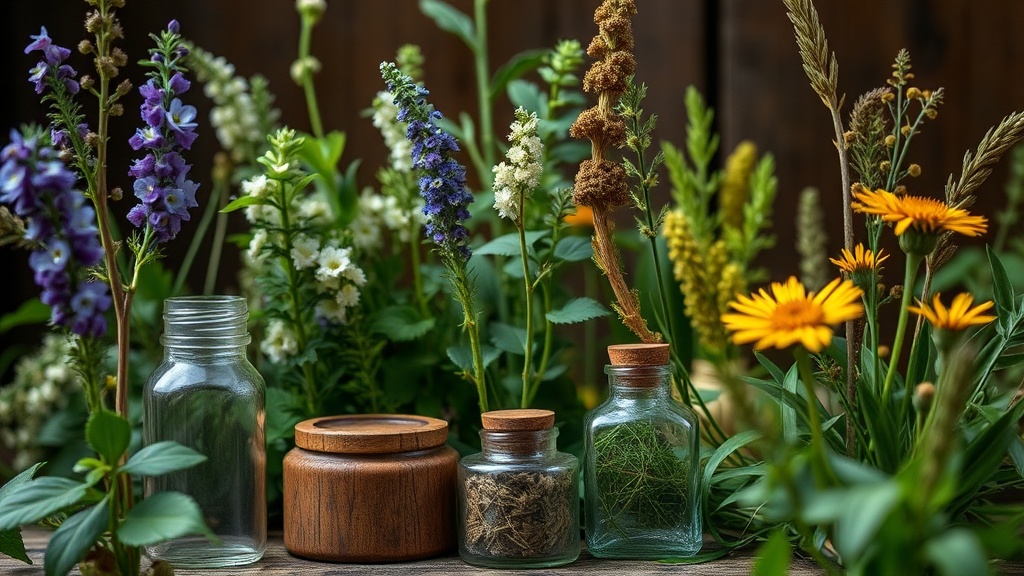
How to Stock Your Home Apothecary with Locally Foraged Medicinal Plants

What You'll Learn About Building a Location-Specific Herbal Collection
This guide covers everything you need to know about identifying, harvesting, and preserving medicinal plants from your immediate environment—whether that's a suburban backyard, nearby woodland trails, or community green spaces. You'll discover how to create a practical, sustainable apothecary that connects you with the natural cycles of your region while providing plant-based support for everyday wellness needs. By the end, you'll understand seasonal harvesting windows, proper drying techniques, and safe storage methods that keep your botanical preparations potent for months.
Which Plants Should Beginners Prioritize in Their Local Area?
Starting an apothecary can feel overwhelming when you realize how many plants surround you daily. The key is beginning with what's abundant and identifiable—plants you can confidently recognize through multiple seasons.
Plantain (Plantago major) grows in nearly every disturbed soil patch across North America. This unassuming "weed" offers remarkable skin-soothing properties when crushed into a poultice. Its leaves contain allantoin, a compound that supports tissue repair. Harvest the young leaves before flowering—typically late spring through early summer—and dry them flat on screens in a dark, well-ventilated space. Once crisp, store in amber glass jars away from direct sunlight.
Chickweed (Stellaria media) blankets garden beds and lawn edges during cool seasons. This tender green makes an excellent fresh addition to salads while doubling as a traditional lymphatic supporter. Unlike woody herbs, chickweed loses its vitality quickly when dried—freeze it in small portions instead, or tincture it fresh in apple cider vinegar for a mineral-rich spring tonic.
Red clover (Trifolium pratense) flourishes in meadows and untended lots throughout summer. The flower heads contain isoflavones and trace minerals that have earned it a reputation as a gentle detoxifier. Harvest when blooms are fully open but before they brown at the edges. Dry whole flowers on screens or bundled upside down—just ensure airflow reaches the centers where moisture hides.
Understanding Your Growing Zone's Unique Offerings
Your specific climate determines which plants dominate your landscape. Those in the Pacific Northwest find nettles and horsetail in damp forests. Desert dwellers encounter creosote bush and prickly pear with demonstrated antioxidant activity. Northeastern foragers discover goldenseal and black cohosh in rich woodland understories—though these require ethical wildcrafting practices due to overharvesting pressures.
Connect with local herbalism schools or native plant societies to learn which species thrive specifically in your watershed. The United Plant Savers maintains an at-risk list that helps foragers make conscientious choices about wild population preservation.
How Do You Harvest and Process Plants for Maximum Potency?
Timing transforms good herbs into exceptional medicine. The circadian rhythms of plants follow predictable patterns that savvy harvesters respect.
Roots store energy underground during dormancy—making early spring or late fall the optimal windows for burdock, dandelion, and yellow dock. Wait until after the first frost has sent sugars back down from the leaves, or catch them before sap rises in spring. Clean roots thoroughly, slice while fresh (they become rock-hard when dry), and either dehydrate at low temperatures or tincture immediately in alcohol.
Aerial parts—leaves, stems, and flowers—carry peak medicinal compounds just before or during flowering. Morning harvests after dew evaporation capture essential oils before the sun drives them upward. Never strip an entire stand; the rule of thirds applies—take no more than one-third of any population, and only from areas where plants grow in abundance.
Barks present a winter opportunity when trees rest. The rising sap of spring makes bark slip off easily but can dilute medicinal constituents. Slippery elm inner bark has faced such heavy harvesting that ethical foragers now substitute marshmallow root—similar mucilaginous properties without threatening wild populations.
The Drying Dilemma: When Speed Matters
Mold destroys more harvests than poor timing. Herbs must dry quickly enough to prevent microbial growth while slowly enough to preserve volatile compounds. Most leafy herbs require 3-7 days at temperatures between 95-110°F—achievable in a food dehydrator, hanging bundles in an attic, or using screens in a warm room with a fan.
Roots and barks need longer—sometimes weeks—because of their density. Slice them thin, no more than quarter-inch rounds, and check centers for moisture before storing. Nothing ruins a carefully built apothecary faster than a jar of "dry" roots that quietly mold in storage.
What's the Best Way to Store Your Herbal Preparations?
Your harvesting efforts deserve protection. Light, heat, air, and moisture—the four enemies of herbal preservation—can be managed with thoughtful storage choices.
Glass wins over plastic every time. Amber or cobalt blue jars filter damaging UV rays that degrade plant constituents. Standard mason jars work beautifully when stored in dark cabinets. Metal tins suit short-term storage of dried teas but can react with resinous herbs over time. Avoid clear glass unless you're keeping it in absolute darkness.
Whole herbs maintain potency longer than processed forms. Store leaves and flowers intact, crumbling them just before use. Pre-powdered herbs oxidize rapidly—buying whole calendula blossoms and grinding them as needed preserves their vibrant orange carotenoids far better than pre-ground powder from the bulk bin.
Label obsessively. Include the plant's Latin binomial (common names vary regionally), harvest date and location, and which plant part you've stored. That jar of "mystery herb" from three summers ago helps nobody. Create a simple inventory system—note what you have, when you harvested it, and roughly how much remains.
Extending Shelf Life Through Proper Preparation
Dried herbs generally remain viable for 12-18 months when stored correctly. Tinctures—alcohol extracts—can last 5+ years if kept in dark bottles with tight-fitting caps. Vinegar preparations have shorter windows—about 12 months—because acetic acid doesn't preserve as aggressively as ethanol.
Freezing offers another preservation path. Fresh plant material frozen in ice cube trays with water or oil creates convenient portions for later use. Herbal pestos, medicinal mushroom broth concentrates, and even whole leaves freeze beautifully when vacuum-sealed. The Herb Society of America provides excellent resources on long-term storage methods that maintain therapeutic value.
How Can You Use Your Apothecary for Daily Wellness Support?
A stocked apothecary isn't meant to gather dust. Integration into daily routines transforms scattered herbs into genuine lifestyle support.
Infusions—long-steeped teas using dried herbs—deliver mineral-rich hydration. Nettle, oat straw, and red clover make nutritive daily brews that replace plain water with functional support. Steep one ounce of dried herb in a quart of just-boiled water for 4-8 hours, strain, and drink throughout the day. The extended steeping extracts minerals and phytochemicals that quick teas miss entirely.
Herbal vinegars serve as both food and medicine. Apple cider vinegar infused with spring greens—dandelion, chickweed, violet leaves—creates mineral-dense salad dressings that support digestion through bitter compounds. The acetic acid extraction pulls calcium, magnesium, and potassium into solution in ways that water cannot match.
External preparations complete the apothecary picture. Compresses soaked in strong herbal teas address skin irritations and muscle tension. Herbal oils—sunflower or olive oil infused with calendula, plantain, or St. John's wort—form the base for salves that protect and repair skin. These external applications work synergistically with internal support, addressing wellness from multiple angles.
Creating Seasonal Rotation Rituals
Your apothecary should breathe with the year. Spring calls for gentle detoxification support—dandelion root, burdock, and cleavers help the body process winter stagnation. Summer demands cooling, calming herbs like lemon balm, passionflower, and mint for heat management. Autumn's drying qualities pair well with moistening marshmallow, violet leaf, and licorice root. Winter's rest invites deep immune support through elderberry, echinacea, and medicinal mushrooms.
This cyclical approach prevents the accumulation of expired preparations while keeping your practice connected to natural rhythms. Each season's harvest becomes next year's medicine—a sustainable loop that deepens your relationship with the plants growing within walking distance of your home.
Building a location-based apothecary isn't about accumulating exotic ingredients from distant ecosystems. It's about recognizing the medicine already surrounding you and developing the skills to work with it respectfully. Start with three plants you can positively identify. Learn their harvest windows, their preferred preparations, and their specific applications. Expand gradually as your confidence grows. The most sophisticated herbalists often maintain surprisingly simple collections—focusing on deep knowledge of local allies rather than superficial familiarity with hundreds of species.
For those seeking to deepen their plant identification skills, the University of British Columbia Botanical Garden offers extensive online resources for North American flora. Your local extension office likely provides free plant identification services and regional growing guides specific to your area.