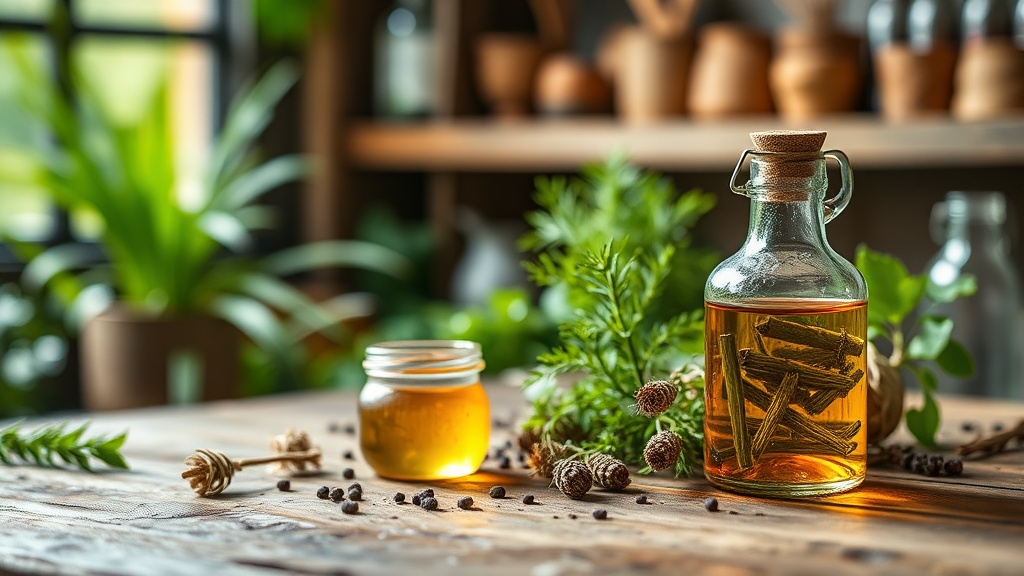
Preparing Your Home with High-Quality Herbal Tinctures

What you will learn about preparing herbal tinctures at home
You'll learn the fundamental methods for extracting plant properties into liquid form using alcohol or glycerin. This guide covers the selection of solvent ratios, the importance of container types, and the patience required to create shelf-stable herbal extracts. We'll look at the practical steps for making your own liquid supplements without needing a laboratory setting.
Tinctures are concentrated liquid extracts that use a solvent—usually high-proof alcohol or vegetable glycerin—to draw out the active constituents of a plant. While many people rely on store-bought bottles, making your own allows you to control the quality of your ingredients and the strength of the final product. It's a way to preserve the vitality of seasonal herbs long after they've gone out of season. Whether you're using dried herbs or fresh botanicals, the process remains relatively straightforward once you grasp the basic ratios.
Can I make tinctures with dried or fresh herbs?
The short answer is yes, but the ratios change depending on what you're starting with. When you use dried herbs, you're working with a material that has already lost much of its water content. Because of this, you typically use a 1:5 ratio—meaning one part herb to five parts liquid by weight. This ensures the plant material is fully saturated without being drowning in excess solvent.
If you're using fresh herbs, you'll want to use a 1:2 ratio. Fresh plants contain a significant amount of water, so you need more liquid to account for that moisture and to prevent the mixture from becoming too diluted. It's also important to remember that fresh herbs can sometimes introduce unwanted bacteria if not handled correctly. If you choose the fresh route, make sure your herbs are clean and your jars are sterilized. For more information on the chemical properties of different solvents, you can check the resources at the National Center for Biotechnology Information.
Common solvents include food-grade ethanol (like vodka) or vegetable glycerin for those who prefer a non-alcoholic option. Alcohol is a more powerful solvent for pulling out resins and certain alkaloids, while glycerin is gentler and better suited for sweeter, lighter extractions. Most people find that a high-proof spirit, such as a 100-proof vodka, provides a great balance for home extraction. It acts as both a solvent and a preservative, keeping your tincture stable for years if stored properly.
What is the best way to store herbal extracts?
Once the extraction process is complete, storage is where many people make mistakes. You want to keep your tinctures in a cool, dark place. Light is the enemy of herbal extracts; UV rays can break down the delicate compounds you've worked so hard to extract. Amber-colored glass bottles are the standard for a reason. They provide a barrier against light that clear glass simply can't offer. A kitchen cabinet far away from the stove or sink is usually the best spot.
Temperature also plays a role. While you don't need a refrigerator for most tinctures (unless using a very low-proof solvent), you should avoid areas of high heat. Extreme heat can cause the alcohol to evaporate or degrade the plant constituents. If you're using a glycerin-based tincture, these can be a bit more sensitive to temperature shifts, so keeping them in a consistent, temperate environment is a good rule of thumb.
| Solvent Type | Common Use Case | Ratio (Herb:Liquid) |
|---|---|---|
| High-Proof Alcohol | Deep extraction of resins/alkaloids | 1:5 (Dried) |
| Vegetable Glycerin | Gentle, sweet-tasting extracts | 1:2 (Fresh/Dried) |
| Vodka (80 Proof) | General daily wellness use | 1:5 (Dried) |
Proper labeling is another part of the storage process. Never assume you'll remember what's in a jar six months from now. Label every bottle with the name of the herb, the type of solvent used, the ratio, and the date the extraction began. This prevents any confusion when you're actually using the product. A simple piece of painter's tape and a fine-tip marker work perfectly for this.
How long do I need to wait before using my tincture?
Patience is the most difficult part of this process. Most herbal tinctures require a minimum of four to six weeks of maceration (soaking) to reach their full potential. During this time, the solvent is doing the heavy lifting, pulling the essence out of the plant material. You'll want to shake the jar occasionally—perhaps once a day—to ensure the solvent is circulating through the plant matter effectively.
If you're using a very dense or resinous herb, you might find that it needs closer to eight weeks. If you strain the liquid too early, you'll end up with a weak, ineffective product. Once the time has passed, strain the liquid through a fine mesh sieve or a piece of cheesecloth. Squeeze the remaining plant material firmly to get every last drop of liquid out. This "press" is where much of the concentrated essence remains. For a more detailed look at botanical properties, the botanical databases often provide deep technical-level details on plant chemistry.
After straining, pour the liquid into your final glass bottles and seal them tightly. You've now created a tool for your wellness routine that is far more potent and personalized than anything you'd find on a standard grocery store shelf. Just remember that while these are natural, they are still concentrated—always respect the potency of what you've made.